

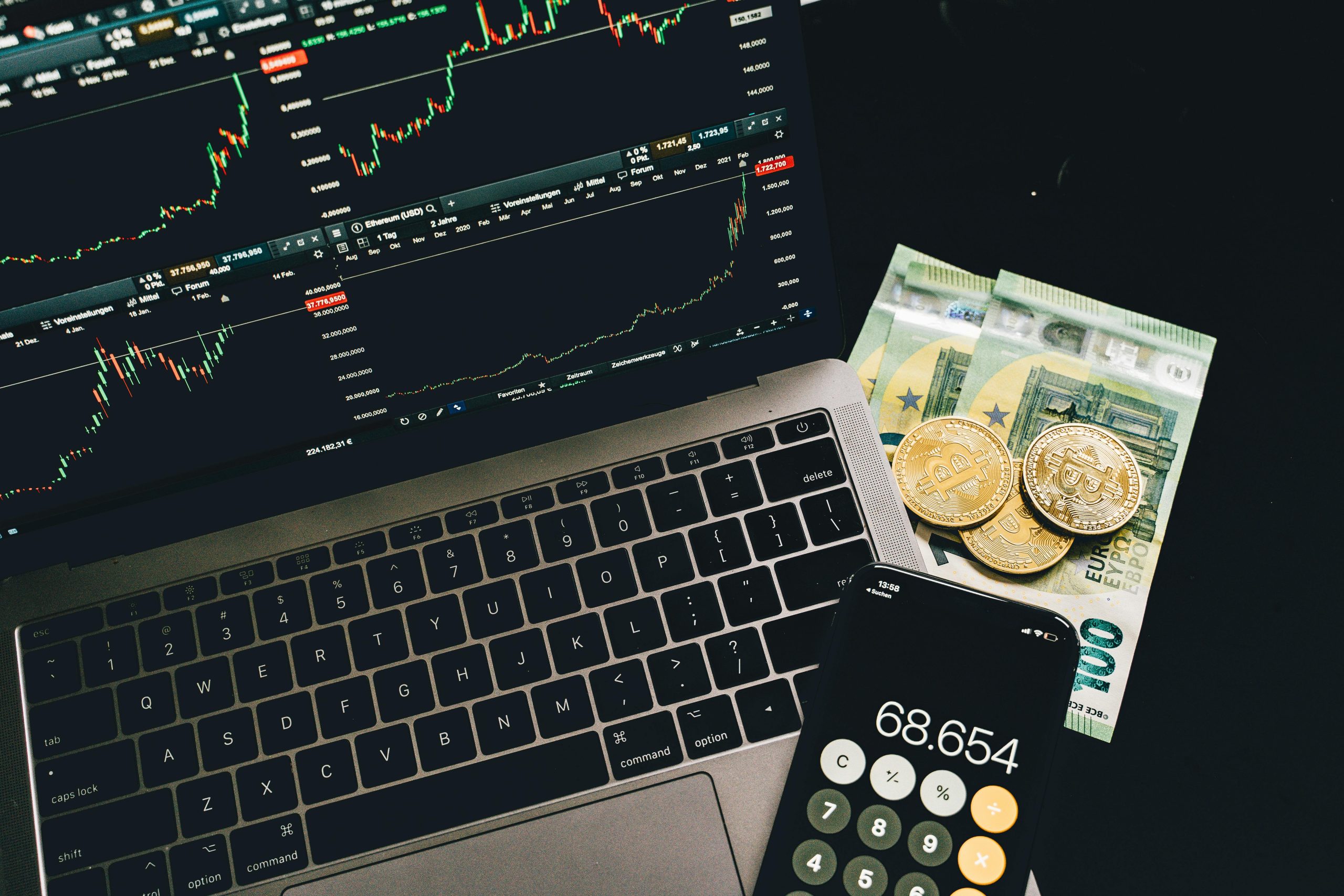
If you live in Germany, there’s a good chance your savings are sitting in a regular bank account, quietly earning next to nothing while inflation slowly nibbles away at their value. You’re not alone — Germany has long been a nation of savers rather than investors, and for understandable reasons. The stock market can feel intimidating, the tax rules sound complicated, and nobody wants to make an expensive mistake with money they worked hard for.
The good news is that investing in Germany has gotten a lot simpler over the past few years. You don’t need to be wealthy, fluent in financial jargon, or glued to stock charts all day. You just need to understand a few basics, pick a sensible approach, and get started. Let’s walk through it.
Why So Many People in Germany Don’t Invest Yet
For decades, the classic German financial habit was the Sparbuch — a savings book that paid modest but steady interest. It worked fine when interest rates were higher, but in a low-rate environment, money parked in a savings account barely keeps up with rising prices, let alone grows.
On top of that, surveys consistently show that many people in Germany see the stock market as risky or “for the rich.” In reality, the biggest risk for most people isn’t the market itself — it’s not investing at all and watching the value of their savings shrink in real terms over time.
Saving vs. Investing: What’s Actually the Difference
Saving means putting money aside somewhere safe and easily accessible, like a savings or checking account. It’s great for emergencies and short-term goals, but it’s not designed to grow your wealth.
Investing means putting your money into assets — stocks, funds, real estate, and similar — that have the potential to grow in value over time. It comes with more risk and ups and downs along the way, but historically, it’s also the most realistic path to building real wealth over the long run, especially when you give it years rather than months.
A simple rule of thumb: keep 3–6 months of expenses in a savings account for emergencies, and consider investing money you won’t need for at least five years.
The Most Popular Ways to Invest in Germany
There’s no single “correct” way to invest — it depends on your goals, risk tolerance, and how hands-on you want to be. Here are the most common options people in Germany use:
- ETF savings plans (ETF-Sparpläne). This is probably the most popular entry point. You invest a fixed amount each month into a low-cost fund that tracks an index like the MSCI World. Brokers such as Trade Republic, Scalable Capital, and comdirect let you start with as little as €1–25 a month, making it accessible even on a tight budget.
- Individual stocks. Buying shares in specific companies offers more control and potentially higher returns, but also more risk, since your money isn’t spread across hundreds of companies the way it is with an ETF.
- Robo-advisors. These automated services build and manage a diversified portfolio for you based on your risk profile, which is useful if you’d rather not pick investments yourself.
- Real estate. Property remains a favorite in Germany, whether that means buying a home to live in or an investment property to rent out. It typically requires far more capital and patience than other options.
- Pension-linked investment products. Options like a fondsgebundene Rürup or company pension plans combine retirement savings with market-based growth, often with tax advantages worth exploring with an advisor.
For most beginners, a simple, broadly diversified ETF savings plan remains the easiest and most cost-effective way to get started.
How Taxes Work When You Invest in Germany
This is the part that scares people off, but it’s more straightforward than it sounds. Investment income in Germany — dividends, interest, and capital gains — is taxed under the Abgeltungssteuer, a flat rate of 25%, plus a 5.5% solidarity surcharge, and church tax if you’re a registered church member. All together, that typically works out to roughly 26–28%.
Here’s the part that actually helps you: every person has a tax-free allowance called the Sparerpauschbetrag — €1,000 per year for individuals, or €2,000 for married couples filing jointly. Any investment gains within that allowance are completely tax-free.
To actually benefit from it, you need to file a Freistellungsauftrag (exemption order) with your bank or broker. Without it, taxes get withheld automatically on every euro of gain, even within your allowance — and claiming it back later means extra paperwork. It only takes a couple of minutes to set up online, so it’s worth doing the moment you open an investment account.
How to Start Investing in Germany: A Step-by-Step Approach
- Set your goal first. Are you investing for retirement, a house deposit, or just long-term wealth building? Your timeline shapes how much risk makes sense.
- Build your safety net. Make sure you have an emergency fund before investing a single euro.
- Choose a broker. Compare fees, available ETFs, and ease of use. Most German brokers offer English-language apps these days.
- File your Freistellungsauftrag. Don’t skip this — it’s free money saved on taxes.
- Start with a broadly diversified ETF. A global index fund is a sensible starting point for most people.
- Automate it. Set up a monthly savings plan so you invest consistently, regardless of what the market is doing.
- Review, don’t obsess. Check in once or twice a year rather than watching prices daily — long-term investing rewards patience, not constant tinkering.
Common Mistakes to Avoid
Even smart, careful people stumble into the same traps when they’re new to investing in Germany. Watch out for trying to time the market instead of investing consistently, putting all your money into a single stock instead of diversifying, forgetting to set up your tax exemption order, and panic-selling the moment markets dip. Markets go up and down — that’s normal, not a sign that something’s broken.
Final Thoughts
Investing in Germany isn’t about chasing quick wins or becoming a finance expert overnight. It’s about starting early, staying consistent, and letting time do most of the heavy lifting. Whether you begin with €25 a month in an ETF savings plan or take a more hands-on approach with individual stocks, the most important step is simply the first one. Your future self will thank you for not leaving that money in a savings account earning nothing.





Leave a Reply